
Role
Role
Role
Founding Product Designer
Founding Product Designer
Founding Product Designer
Collaborators
Collaborators
Collaborators
1 Product Manager
& 1 Engineer
1 Product Manager & 1 Engineer
1 Product Manager
& 1 Engineer
Skills
Skills
Skills
Strategy, Interaction
Design, Prototyping
Strategy, Interaction Design, Prototyping
Strategy, Interaction
Design, Prototyping
Timeline
Timeline
Timeline
May 2024 - Present
May 2024 - Present
May 2024 - Present
Context
Context
When building an AI-native financial app, three strategic design challenges appear
When building an AI-native financial app, three strategic design challenges appear
RealSpend is an AI-powered financial management app. Instead of treating AI as an add-on feature, RealSpend positioned it as the primary interaction model.
As founding product designer, I owned the complete design from the ground up. Three design challenges emerge:
RealSpend is an AI-powered financial management app. Instead of treating AI as an add-on feature, RealSpend positioned it as the primary interaction model.
As founding product designer, I owned the complete design from the ground up. Three design challenges emerge:
📌 Challenge #1
Organize complex financial data without overwhelming users
📌 Challenge #2
Guide users through financial decisions when they lack domain expertise
📌 Challenge #3
Turn financial insights into executable actions, not just interesting ideas
Where the design journey begins ↓
Information Architecture
Restructuring IA: when product growth forces architecture change
Restructuring IA: when product growth forces architecture change
Growing Pains
Growing Pains
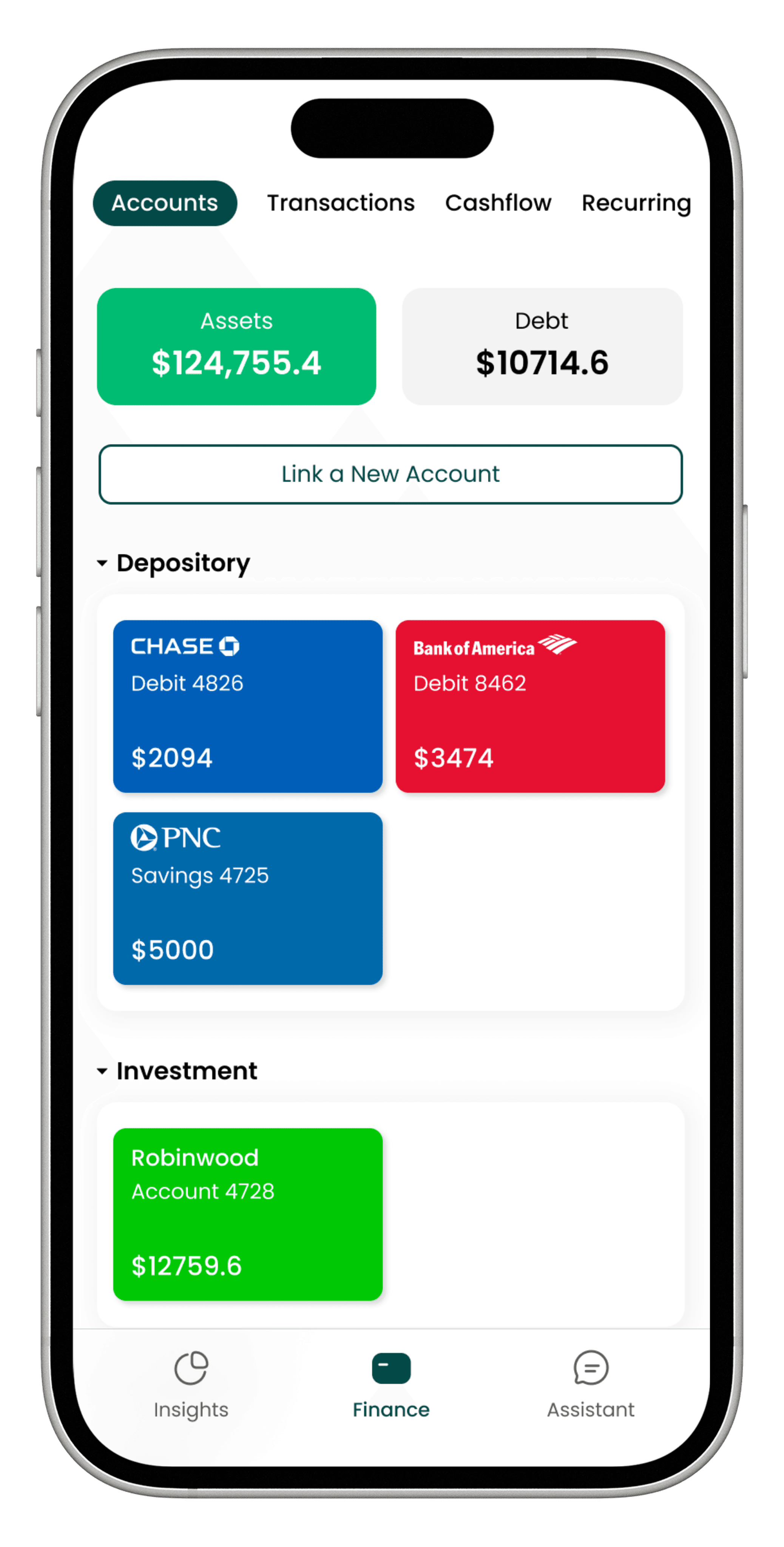
Initial Architecture
Insights
01
Net Worth
Category
Recurring
To-do
Finance
02
Accounts
Transactions
Cashflow
Recurring
Assistant
03
Chat
Features We Added
New
Investing
Bugeting
Actions
Rewards

The Insights tab kept growing with more recommendations. And if we crammed all new features into Finance, it would become a dumping ground.
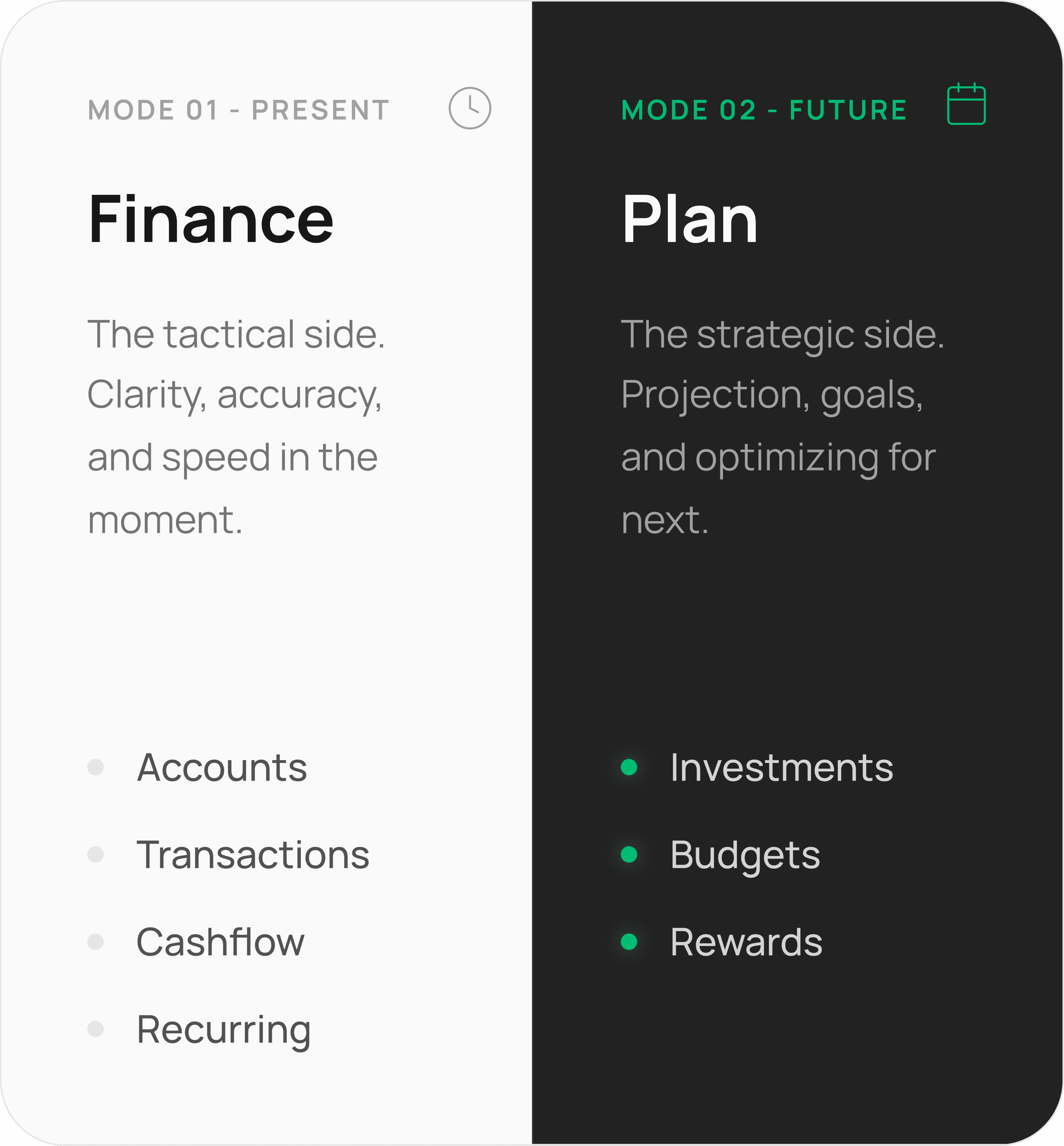
Two Headspaces
Two Headspaces
Users don't view managing money as one monolithic thing. We discovered a clear mental divide between managing the day-to-day and planning for tomorrow.
Users don't view managing money as one monolithic thing. We discovered a clear mental divide between managing the day-to-day and planning for tomorrow.
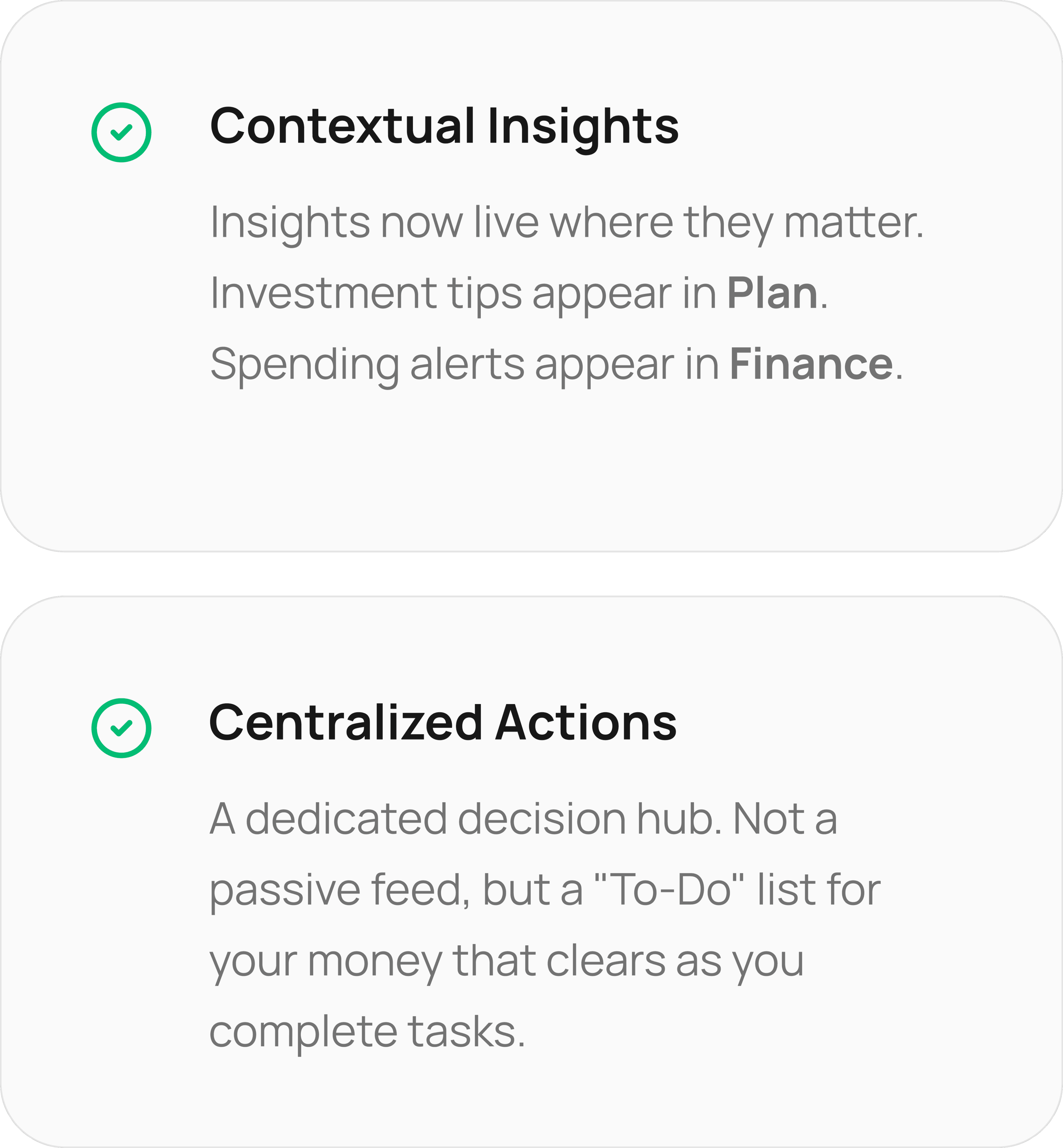
Contextual & Actionable
Contextual & Actionable
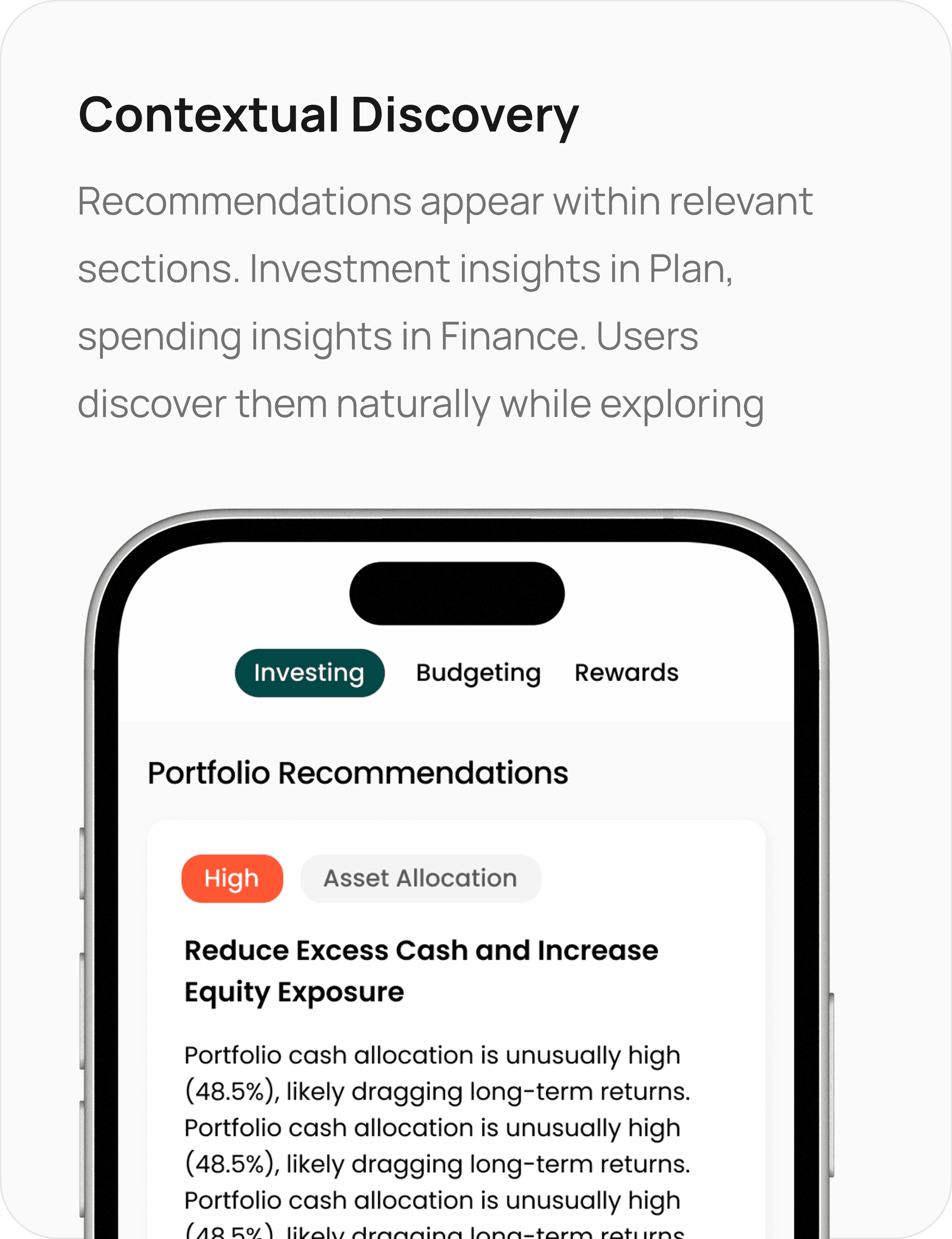
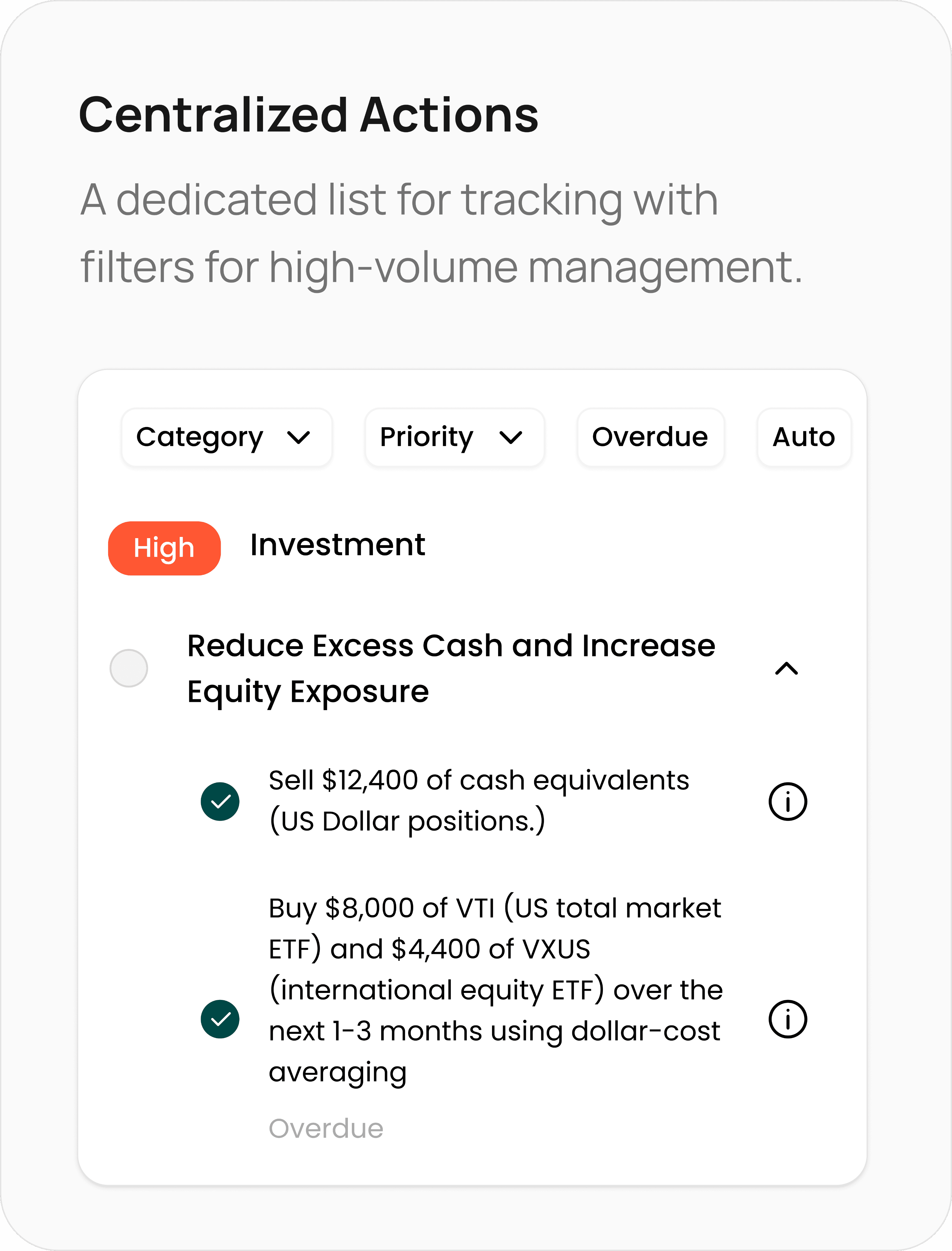
I reorganized insights to be where users explore, and created a dedicated home for tracking users’ added actionable recommendations
I reorganized insights to be where users explore, and created a dedicated home for tracking users’ added actionable recommendations
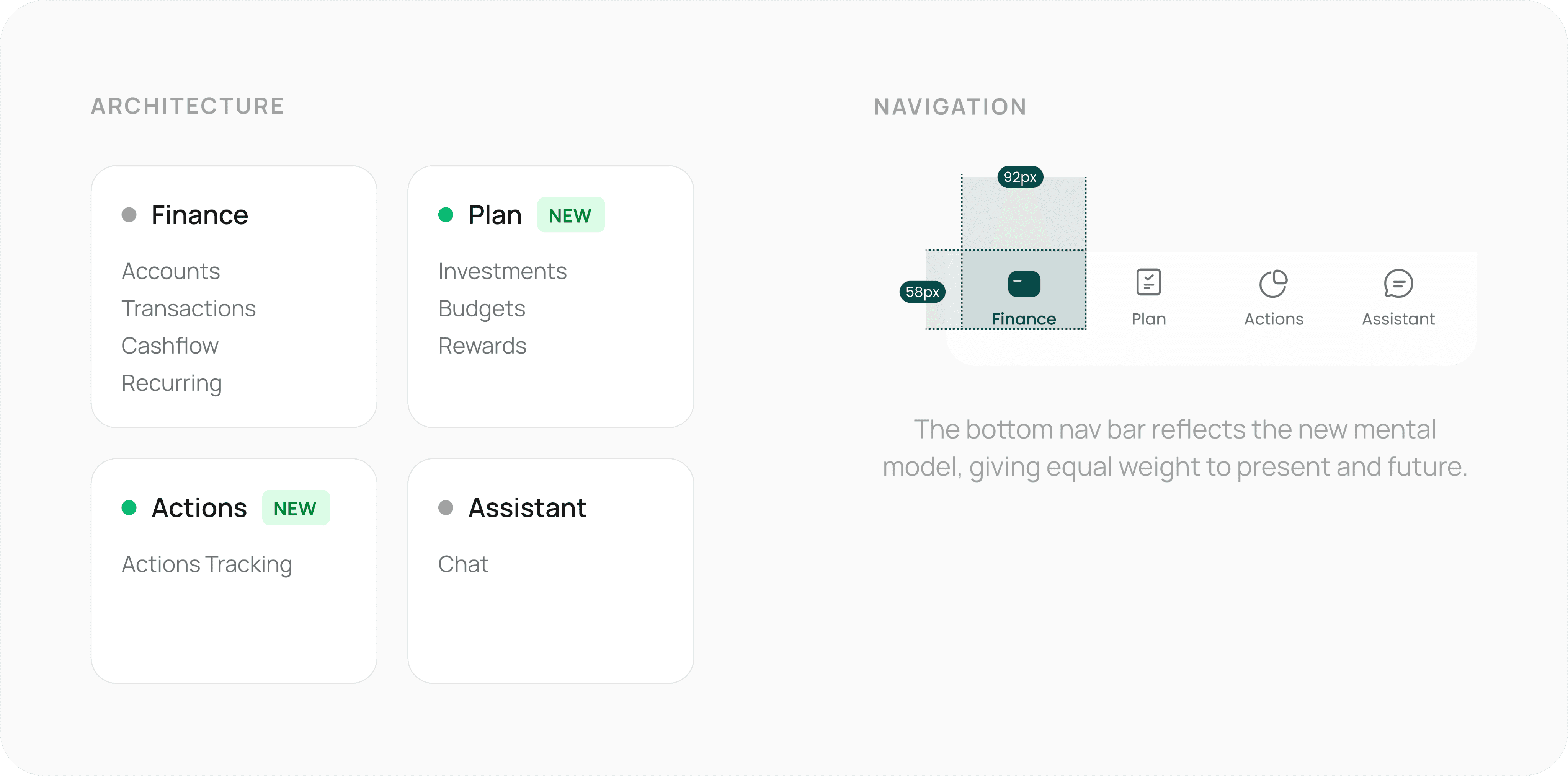
The New Architecture
The New Architecture
A simplified architecture built around the way users actually think about their money.
A simplified architecture built around the way users actually think about their money.
AI Insights Card
Making long recommendations scannable: progressive disclosure
Making long recommendations scannable: progressive disclosure
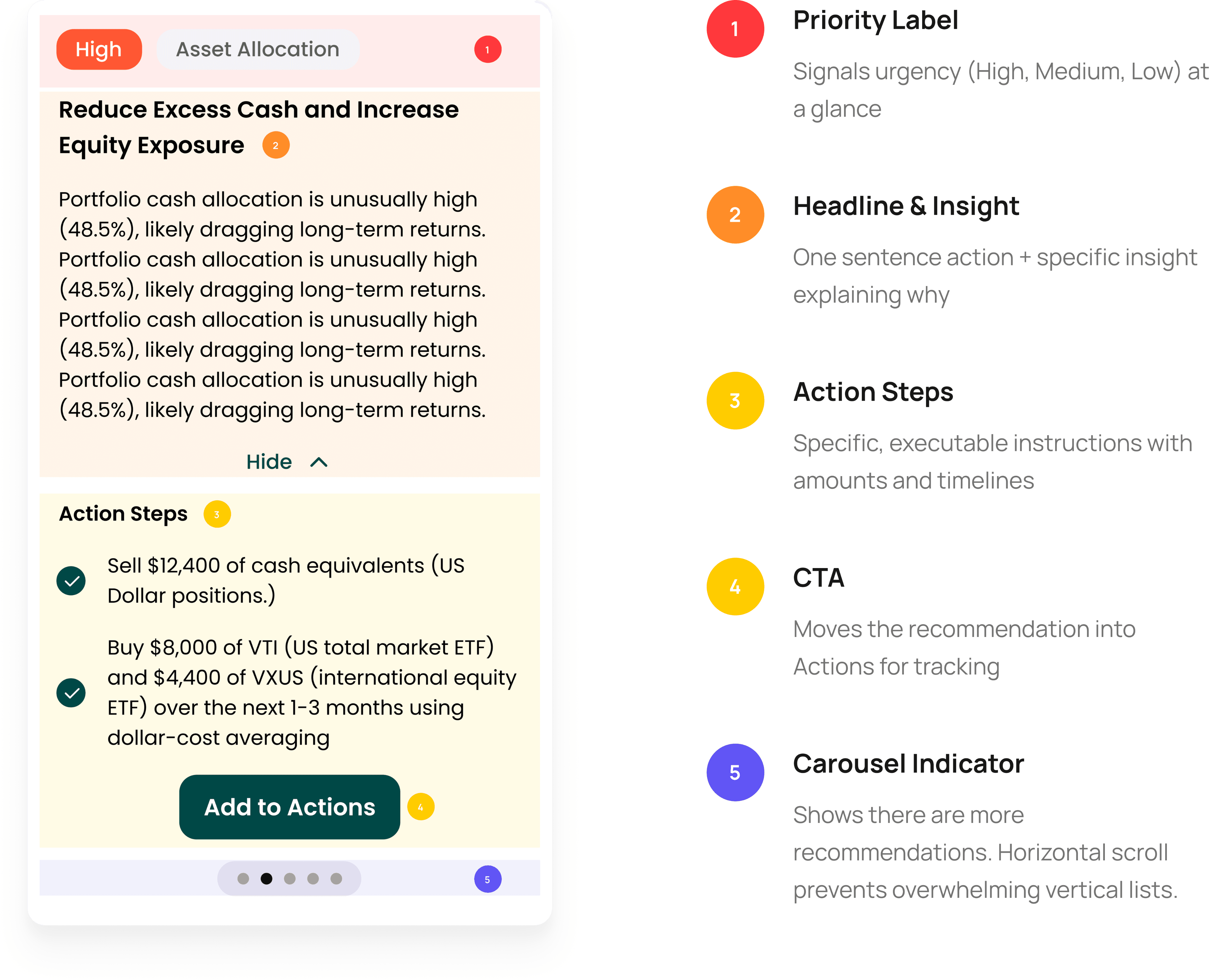
Recommendations in finance tend to be long. I designed a clear hierarchy that lets users distinguish what matters instantly.
Recommendations in finance tend to be long. I designed a clear hierarchy that lets users distinguish what matters instantly.
AI Chat Experience
Adapting AI Chat for finance: moving beyond generic patterns
Adapting AI Chat for finance: moving beyond generic patterns
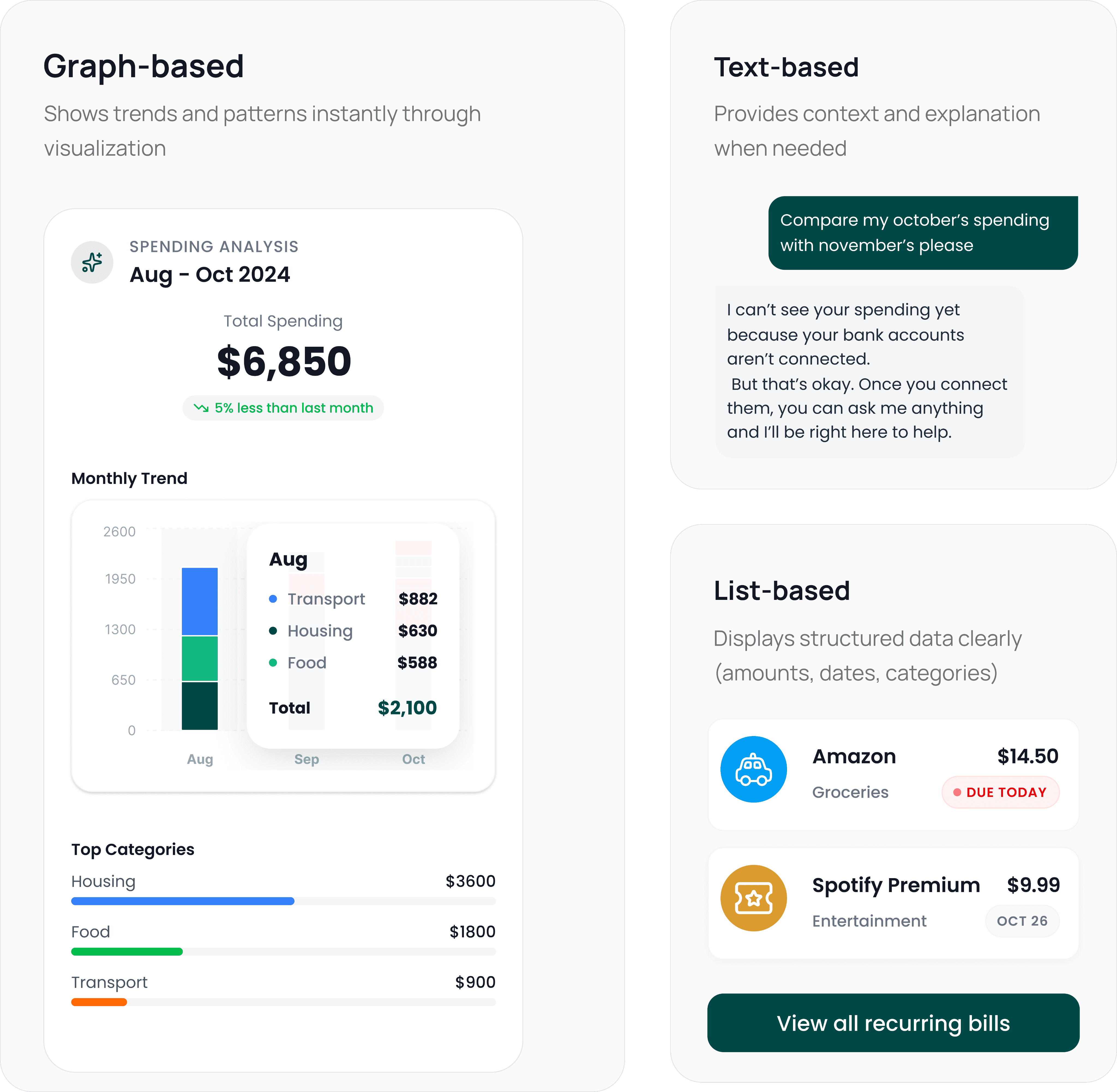
Financial conversation requires different forms of response. I designed a system that adapts its form to the user's intent.
Financial conversation requires different forms of response. I designed a system that adapts its form to the user's intent.
Guided Exploration
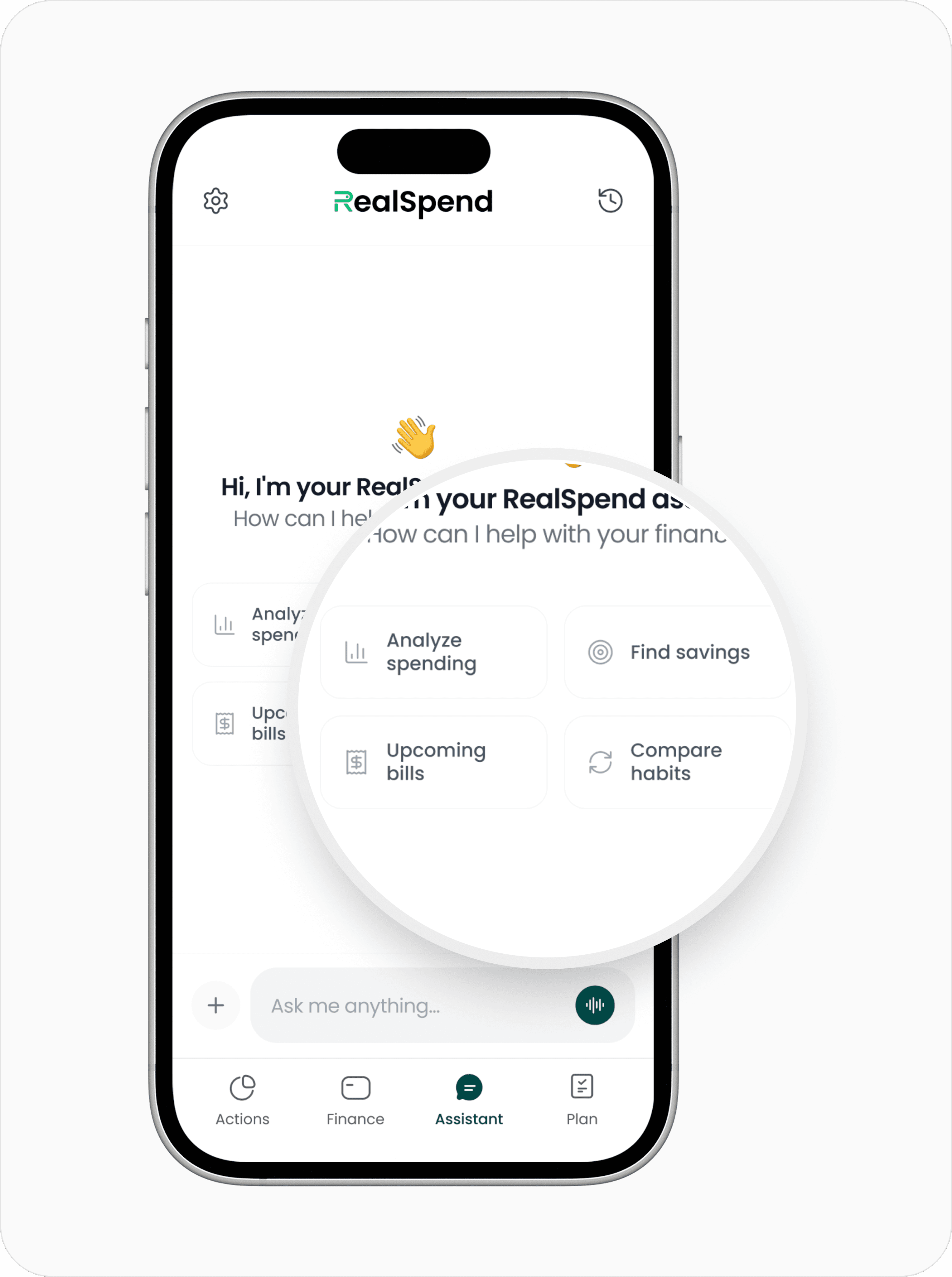
Response types are only half the equation. The other half is guidance—helping users know what to ask and how to refine their questions.
1
Initial Prompts
Set expectations for what's possible immediately upon opening chat.
2
Clarifying Questions
3
Suggested Follow-Ups
Guided Exploration
Response types are only half the equation. The other half is guidance—helping users know what to ask and how to refine their questions.
1
Initial Prompts
Set expectations for what's possible immediately upon opening chat.
2
Clarifying Questions
3
Suggested Follow-Ups
Guided Exploration
Response types are only half the equation. The other half is guidance—helping users know what to ask and how to refine their questions.
1
Initial Prompts
Set expectations for what's possible immediately upon opening chat.
2
Clarifying Questions
3
Suggested Follow-Ups
Guided Exploration
Response types are only half the equation. The other half is guidance—helping users know what to ask and how to refine their questions.
1
Initial Prompts
Set expectations for what's possible immediately upon opening chat.
2
Clarifying Questions
3
Suggested Follow-Ups
Guided Exploration
Response types are only half the equation. The other half is guidance—helping users know what to ask and how to refine their questions.
1
Initial Prompts
Set expectations for what's possible immediately upon opening chat.
2
Clarifying Questions
3
Suggested Follow-Ups
Reflection
Key Takeaways
Key Takeaways
Early-Stage Product Evolution Requires Flexible Architecture
Early-Stage Product Evolution Requires Flexible Architecture
Everything changes so fast in early-stage startups. New features got added constantly and each time, I had to restructure the IA. At first it was frustrating. The mess felt chaotic. But then I stopped thinking like a builder and started thinking like a user. What were users actually trying to do at different moments? That's when the dots connected. Present state, future planning, pending decisions—these weren't arbitrary categories. They were how users actually thought about their finances.
Once I understood that, the IA didn't feel like a mess anymore. It felt right. The structure became flexible enough to absorb new features without breaking because it was built on user intent, not product features.
Everything changes so fast in early-stage startups. New features got added constantly and each time, I had to restructure the IA. At first it was frustrating. The mess felt chaotic. But then I stopped thinking like a builder and started thinking like a user. What were users actually trying to do at different moments? That's when the dots connected. Present state, future planning, pending decisions—these weren't arbitrary categories. They were how users actually thought about their finances.
Once I understood that, the IA didn't feel like a mess anymore. It felt right. The structure became flexible enough to absorb new features without breaking because it was built on user intent, not product features.
Document Everything, Talk Constantly
Document Everything, Talk Constantly
I spent a lot of time writing down ‘why’ we made decisions. Why split Finance. Why the contextual + centralized two-layer system. Why cards are structured this way. And then I shared it with the team constantly. When the PM suggested a feature, they could see if it fit. When engineering built something, they understood the reasoning.
I spent a lot of time writing down ‘why’ we made decisions. Why split Finance. Why the contextual + centralized two-layer system. Why cards are structured this way. And then I shared it with the team constantly. When the PM suggested a feature, they could see if it fit. When engineering built something, they understood the reasoning.
Our Team
We meet every day and I feel so lucky to work with this team!!!
We meet every day and I feel so lucky to work with this team!!!

